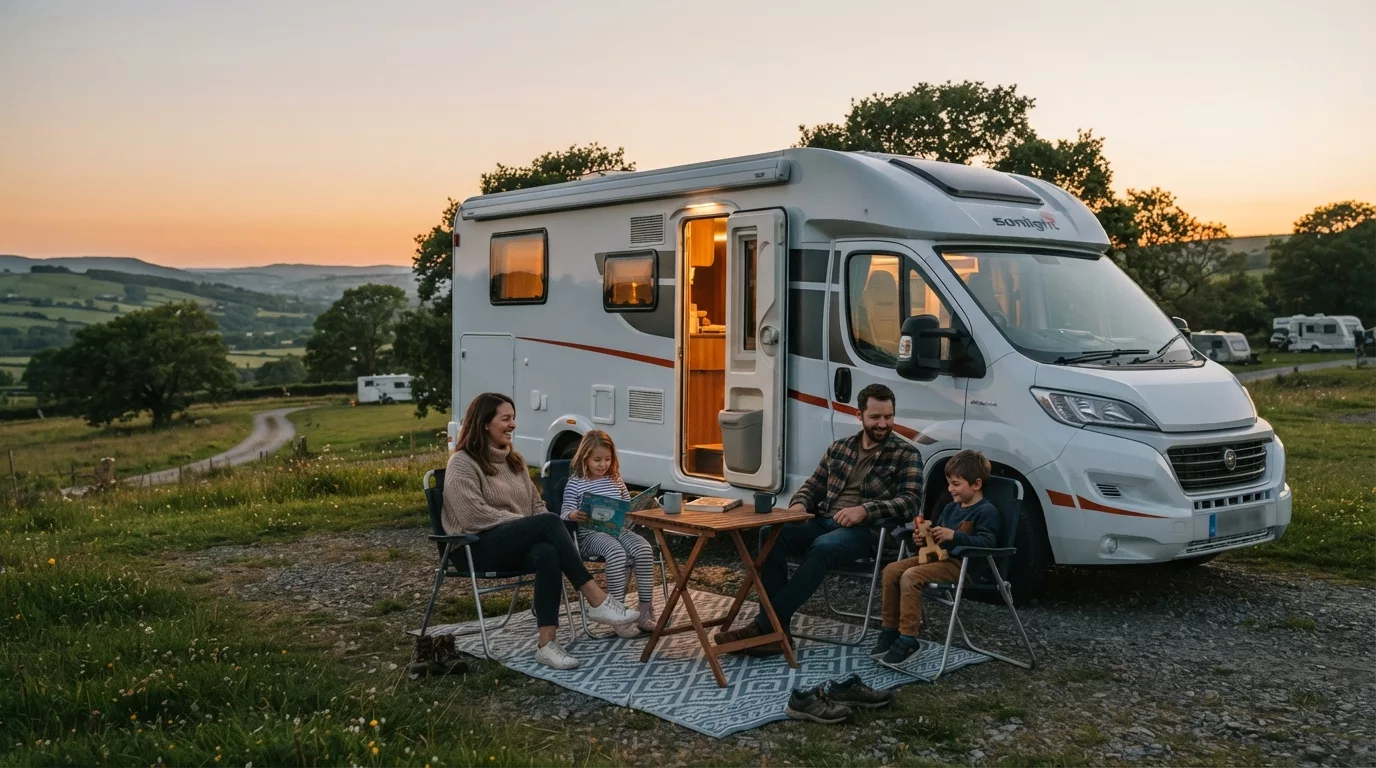
Traveling by camper with the family is a wonderful adventure, full of freedom and discoveries. However, when temperatures rise, even the most idyllic road trip can present challenges. One of the most common concerns for those traveling with little ones is how to manage the evening routine in a camper, especially when it comes to getting them to sleep in an environment that can quickly become hot and stuffy.
It's no secret that thermal comfort is essential for good rest, and this is even more true for children, who are more sensitive to temperature changes. The magic of camping shouldn't be compromised by discomfort. With a few adjustments and a well-thought-out strategy, it's possible to create an oasis of tranquility even on the hottest nights.
In this article, we will explore together how to best tackle the evening routine in a camper: getting children to sleep in the heat will become an achievable goal, allowing the whole family to fully enjoy every moment of the vacation.
Preparing the camper for a summer night
Even before the sun sets, it's essential to start preparing the vehicle to make it as comfortable as possible. The goal is to create a cool and welcoming environment that promotes sleep.
Strategic ventilation
Ventilation is your best ally. Take advantage of the cooler hours of the day, usually early morning and late evening, to create airflow. Open windows and roof vents on opposite sides of the camper. If your vehicle is equipped with windows with mosquito nets, you can keep them open even at night to ensure constant air exchange without the intrusion of insects.
Consider using battery-powered fans. There are compact and quiet models available that can be strategically placed to move air inside. Some can be attached to beds or walls, providing targeted relief.
Shading to stay cool
The sun beating down on the camper's roof and walls can turn it into an oven. During the day, when you are out, use awnings, external screens, or blackout covers to protect the vehicle from direct sunlight. This will help maintain a lower internal temperature even during the hottest hours.
Inside, blackout curtains or window covers are essential. They not only block light but also create an insulating layer that reduces accumulated heat.
Insulation and materials
If possible, consider using breathable materials for bedding. Cotton or linen sheets are much more suitable than synthetic fabrics that tend to retain heat. Children's pajamas should also be lightweight and made of natural fibers.
The evening routine: rituals and habits
The evening routine, whether at home or in a camper, plays a crucial role in preparing children for sleep. With the heat, some adjustments can make these moments more serene.
Cool down first
Before starting the actual routine, take a moment to cool the children down. A lukewarm bath (not cold, which could cause thermal shock) can lower body temperature. Alternatively, sponging with cool water on the forehead, neck, and wrists can provide relief.
Ensure children are dressed in light, breathable clothing. Sometimes, sleeping with a light sheet or just a onesie may be sufficient.
Relaxing activities
The last few hours before sleep should be dedicated to quiet activities. Avoid overly exciting or stimulating games. Reading a book aloud, telling a story, having a calm conversation about the day's activities, or listening to relaxing music can help create the right atmosphere.
If the camper has an equipped outdoor area, a short evening walk in a cool, breezy spot can be beneficial before returning for bedtime preparations.
Light dinner and hydration
A light dinner is essential. Avoid heavy, difficult-to-digest foods that can increase body temperature. Opt for fruits, vegetables, and fresh dishes.
Hydration is equally important, but in moderation before sleep to avoid nighttime awakenings for bathroom trips. Offer fresh water, but avoid sugary or carbonated drinks that can disrupt sleep.
Solutions for sleeping in a hot camper
When the outside temperature struggles to drop, even the best routine can encounter obstacles. Here are some specific strategies to cope with the heat and promote children's sleep.
The power of portable air conditioning (with caution)
For those who frequently travel in very hot climates, a portable camper air conditioner can be a worthwhile investment. There are compact models that run on 12V or 24V, ideal for life on the road. However, it's important to use it sparingly to avoid excessively draining the battery and to prevent children from sleeping in an environment that is too cold, which can be as harmful as the heat.
The ideal approach is to use it for a few hours before bedtime to lower the temperature, then turn it off and rely on natural ventilation and battery-powered fans during the night.
DIY cooling solutions
A simple and effective method to create a cooler environment is to place a bowl of ice or cold water in front of a fan. The air passing over the ice will cool down, creating a DIY air conditioner. This solution is particularly useful in small sleeping areas.
Another trick is to lightly dampen the curtains or blackout covers with cool water before going to sleep. The evaporation of water will help lower the internal temperature.
Managing nighttime awakenings
It's possible that, despite all efforts, children may wake up due to the heat. In these cases, it's important to intervene calmly. Offer a sip of water, cool their forehead or neck with a damp cloth, and reassure them gently. Avoid turning on bright lights or creating too much commotion.
If the problem persists, try to understand if other factors are contributing to the discomfort, such as pajamas that are too heavy or excessive blankets.
The experienced camper's perspective
Those who have been traveling in campers with their families for a long time learn to know their vehicle and their needs. The key is adaptability. Every summer, every destination, every camper can present slightly different challenges.
Listening to your children, observing their signs of discomfort, and experimenting with different solutions are essential. What works for one family may not work for another, and this is part of the beauty of living on the road.
Remember that even difficult moments can turn into precious memories. Learning to manage the heat in a camper together, finding creative solutions, strengthens family bonds and teaches children important lessons in resilience and adaptation.
The importance of flexibility
Don't be too rigid with your routine. If the temperature is particularly high one day and the children are restless, allow yourself some flexibility. Perhaps a quieter evening outdoors, under a starry sky, can be more relaxing than a struggle to fall asleep in a too-hot cabin.
Sharing experiences
Talking with other campers is a goldmine of practical advice. Often, the most effective solutions come from the direct experience of those who have already faced similar challenges. Don't hesitate to ask for opinions and share your discoveries.
mitcamper advice
Living and traveling in a camper also means becoming part of a community. On our portal, you can find conversation starters and connect with people who share your passion for life on the road. This could be the right opportunity to exchange valuable tips on how to best face the challenges of summer camping, such as the evening routine in a camper: getting children to sleep in the heat, and discover innovative solutions that will make your holidays even more enjoyable.