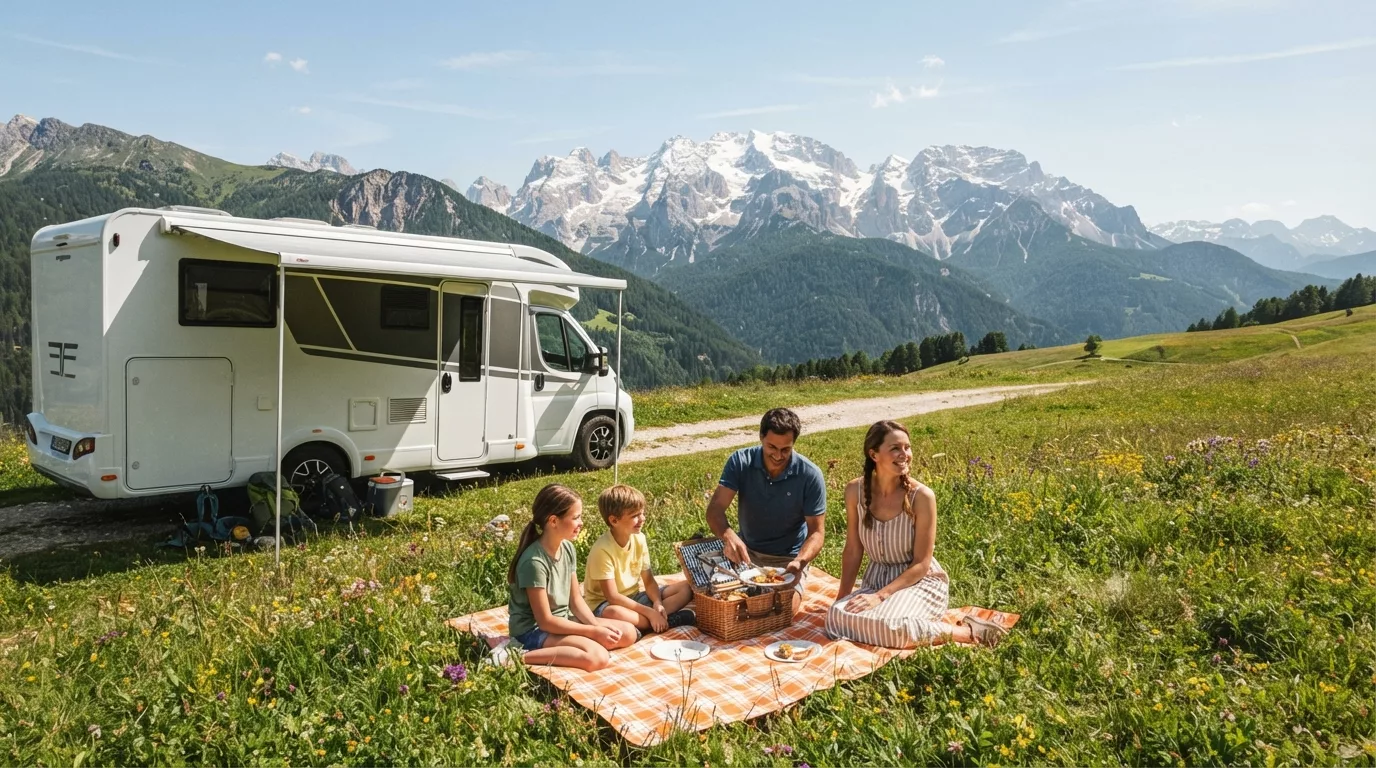
The call of the peaks: why choose high altitudes with a camper?
Those who travel by camper often seek breathtaking views and direct contact with nature. Mountains offer unforgettable scenery, fresh air, and the opportunity to engage in outdoor activities that rejuvenate body and mind. However, when traveling with children, it's essential to consider aspects related to altitude, which can affect the well-being of the little ones.
Understanding the effects of altitude on children
Altitude refers to the height of a place above sea level. As you ascend, atmospheric pressure decreases, and the amount of oxygen available in the air reduces. Children, with their still-developing respiratory and cardiovascular systems, can be more sensitive to these changes than adults.
Symptoms of altitude sickness in children can vary and include:
- Headaches
- Nausea and vomiting
- Fatigue and drowsiness
- Irritability
- Loss of appetite
- Breathing difficulties (in more serious cases)
It's important to emphasize that most of the time these symptoms are mild and manageable, but proper information and prevention are key to avoiding complications.
Before you go: planning and preparation
A high-altitude camper vacation begins long before you start the engine. Careful planning can make a difference.
Choosing the destination and itinerary
Not all altitudes are the same, nor do all children react the same way. If this is your first time tackling the mountains with your children, it's advisable to start with destinations that are not excessively high (below 1500-1800 meters) and plan for a gradual ascent.
Assess the availability of healthcare facilities nearby and inquire about road conditions: driving a camper in the mountains requires specific attention and preparation, especially regarding brakes and gear changes.
Preventive medical consultation
Before embarking on a high-altitude trip, especially if children have pre-existing medical conditions (such as asthma or heart problems), it's always advisable to consult a pediatrician. They can provide personalized advice and assess the potential need for preventive medication or a specific first-aid kit.
Keep a well-stocked travel pharmacy handy, including medications for headaches, nausea, fever, and disinfectants. It might also be useful to include a pulse oximeter to monitor blood oxygen levels, especially if you plan to reach considerable altitudes.
During the trip: practical tips
Once you've reached your destination or during the ascent, there are several habits to adopt to help children acclimatize and feel comfortable.
Gradual acclimatization
If possible, avoid ascending too quickly. If you are traveling by camper, you can make intermediate stops at lower altitudes to allow the body to gradually adjust to the thinner air. Once you arrive, dedicate the first day to light activity, avoiding excessive exertion.
Hydration and nutrition
Hydration is crucial at high altitudes. Dry air and increased breathing can lead to faster dehydration. Offer children water frequently, even if they don't ask for it. Avoid sugary or excessively fizzy drinks, which can worsen nausea.
Regarding nutrition, opt for light and easily digestible meals. Avoid heavy or very fatty foods, which can burden digestion. Fruits, vegetables, and whole grains are excellent choices.
Sleep and rest
Rest is crucial for the body's recovery and to aid acclimatization. Ensure children get enough sleep. At high altitudes, the air can be cooler, even in summer. Dress children in layers to easily adapt to temperature changes and ensure their sleep is comfortable. It might be helpful to read our tips on managing evening routines in a camper, adapting them to altitude needs.
Physical activity and play
While it's important to avoid excessive exertion, some light movement can help. Short, leisurely walks and low-intensity outdoor games are ideal. Encourage children to play, but always monitor their energy levels and well-being. If they show signs of fatigue or discomfort, it's best to stop the activity and rest.
To entertain the little ones during relaxation time in the camper or during stops, also consider games and activities that don't require too much energy.
When to worry and what to do?
It's essential to recognize the signs of more serious altitude sickness. If symptoms worsen, if the child experiences significant breathing difficulties, extreme lethargy, confusion, or balance problems, prompt action is necessary.
What to do in case of persistent or severe symptoms:
- Descend in altitude: The most effective solution for altitude sickness is to reduce altitude. If possible, move the camper to a lower altitude area.
- Consult a doctor: Go to the nearest medical center or hospital. Healthcare professionals can assess the situation and provide appropriate treatment.
- Hydration and rest: Continuing to offer fluids and ensuring rest is always important.
Remember that prevention and careful observation are your best allies. Traveling by camper with children at high altitudes can be a wonderful experience, full of discoveries and adventures, provided you approach it with awareness and the right preparation.
For further information on traveling safely with your vehicle, consult our section dedicated to camper safety and family.
mitcamper tip
High-altitude camper adventures offer unique views and the chance to create precious memories. Sharing these experiences with other enthusiasts can further enrich the journey. On mitcamper, you can connect with people who share your passion for the outdoors and the road life, exchanging tips and organizing meetups in scenic locations.