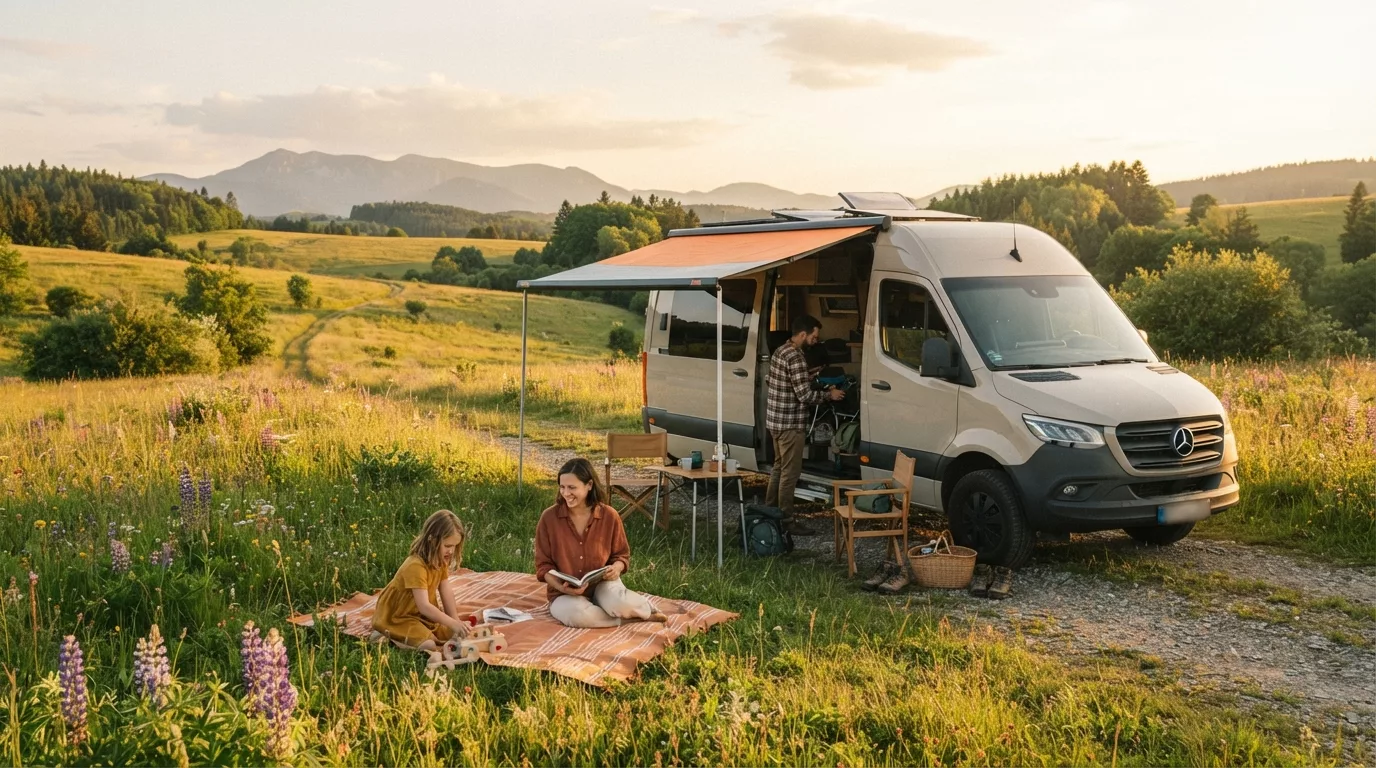
Summer in a camper means freedom, adventure, and nights under the stars. However, when temperatures rise, managing the heat inside the vehicle becomes a priority, as does protection from the insects that populate outdoor evenings. Curtains and mosquito nets, often underestimated, play a crucial role in ensuring serene and comfortable rest for those traveling by camper, whether they are couples seeking relaxation, adventurous friends, or families exploring new horizons. Preparing them adequately means transforming potential discomfort into a pleasant experience. Let's see how to do it together.
Choosing the right curtains for hot weather
When talking about camper curtains, especially with warmer seasons in mind, the choice of material and type is fundamental. Not all curtains are the same, and some are better suited to providing good thermal insulation and optimal ventilation than others.
Breathable and reflective materials
For warm nights, it's preferable to opt for curtains made with breathable materials. Fabrics like ripstop polyester or technical cotton allow air to circulate, reducing the feeling of stuffiness inside the camper. Furthermore, some materials are treated to be reflective, meaning they can repel solar rays, keeping the cabin cooler during the day. This is a crucial aspect, especially if you're parked in direct sunlight.
Types of curtains: blackout and ventilated
There are various types of curtains that can make a difference:
- Blackout curtains: Besides ensuring privacy, good quality blackout curtains are often made with multilayered fabrics that effectively block light and, consequently, heat. They are ideal for areas where days are long and nights are short.
- Mesh curtains or with ventilated inserts: Some curtains feature mesh inserts or panels that promote air circulation while maintaining a degree of blackout. These are an excellent compromise for those who want a cool environment without sacrificing privacy.
- Thermal curtains: Although more commonly associated with winter for thermal insulation, some thermal curtains can also offer good insulation from external heat if chosen with the right configuration.
Maintenance is equally important. Regularly cleaning curtains from dust and dirt ensures they retain their insulating and breathable properties over time.
Mosquito nets: your shield against insects
No one wants to be disturbed by mosquitoes and other insects during their rest. Mosquito nets are an essential element for enjoying summer evenings outdoors and sleeping soundly. Their effectiveness depends on quality, installation, and maintenance.
Types of camper mosquito nets
There are various solutions on the market, each with its advantages:
- Integrated mosquito nets: Many modern campers are equipped with mosquito nets integrated into windows and sliding doors. These are the most practical and discreet solution.
- Roller mosquito nets: They roll up into a cassette when not in use, taking up little space and providing effective protection.
- Magnetic mosquito nets: Easy to install and remove, they attach with Velcro or magnets and are ideal for unequipped windows.
- DIY mosquito nets: For those who love DIY, it's possible to create custom solutions using mosquito netting and simple fastening systems.
Installation and maintenance for maximum effectiveness
Proper installation is key to preventing insects from finding gaps. Ensure that the mosquito nets fit snugly against the window and door frames, without any empty spaces. Periodically check for tears or holes and repair them promptly. Regular cleaning with water and mild soap will help keep the mesh clear and hygienic.
For doors, a full-height mosquito net is often the best solution, especially when traveling with children or pets, as it allows for easy entry and exit while keeping the cabin protected.
Strategies for keeping the camper cool
In addition to choosing curtains and mosquito nets, there are several strategies that every camper can adopt to make summer nights cooler and more comfortable.
Strategic ventilation
Ventilation is your best ally against the heat. Take advantage of the cooler hours of the day, usually late evening and early morning, to create air currents. Open windows and roof vents on opposite sides of the camper to promote air circulation. If you have a camping fan, position it to push hot air outwards or to create a flow of fresh air from outside to inside.
Active shading
During the day, when the sun is beating down, it's essential to protect the camper from solar radiation. Use external awnings, shade cloths, or reflective panels placed on the front and side windows. This will significantly reduce heat buildup inside. The choice of parking spot also plays a role: look for natural shade, such as under trees, whenever possible.
Humidity management
Humidity can worsen the feeling of heat. Avoid cooking inside the camper during the hottest hours of the day, opting for cold meals or cooking outdoors if conditions permit. Use a small portable dehumidifier if necessary, especially in particularly humid areas.
Passive cooling techniques
Some tricks can help cool the environment:
- Place a basin of cold water or ice cubes in front of a fan: evaporation will help cool the air.
- Use sheets and blankets made of natural, breathable materials like cotton or linen.
- If possible, circulate fresh air during the night by opening windows, but make sure the mosquito nets are securely closed.
Preventive maintenance for hot seasons
Even before intense heat arrives, it's advisable to dedicate time to maintaining curtains and mosquito nets. A thorough check can prevent unpleasant surprises during your holidays.
General inspection of curtains and mosquito nets
Dedicate a detailed inspection to all the curtains and mosquito nets in your camper. Check:
- Integrity of fabrics: Look for tears, holes, discoloration, or signs of wear.
- Opening/closing mechanisms: Ensure that roller, sliding, or folding curtains operate smoothly.
- Seals and profiles: Check for cracks or detachments that could allow insects or drafts to enter.
- Fastening systems: Verify that Velcro, snaps, magnets, or hooks are secure and functional.
Deep cleaning and specific treatments
Thorough cleaning is essential. Wash curtains according to the manufacturer's instructions, paying attention to removing any stains or mold. For mosquito nets, gentle cleaning with water and a soft cloth is usually sufficient. If you notice that the curtain fabrics have lost their water-repellent properties or have become less resistant to UV rays, you might consider applying specific waterproofing and protective sprays for outdoor fabrics.
Remember that prevention is always better than cure. A small maintenance intervention before the hot season can save you a lot of discomfort and ensure your camper is ready to face summer nights in maximum comfort.
Practical tips for optimal rest
Beyond the technical aspects related to curtains and mosquito nets, there are some habits and precautions that can further improve the quality of your rest when temperatures rise.
Creating a sleep-friendly environment
Even with the best curtains and mosquito nets, the surrounding environment can affect your sleep. Try to keep the cabin tidy and airy. Avoid accumulating objects that could obstruct air circulation. If external noise is a problem, consider using earplugs. Interior lighting should be dim in the evening to promote relaxation.
Hydration and light clothing
Don't forget the importance of adequate hydration. Drink plenty of water during the day, but avoid doing so just before bed to avoid frequent awakenings. Wear light, breathable clothing, preferably made of natural fibers, for sleeping.
Making the most of cool hours
If possible, organize your activities to take advantage of the cooler hours of the day. Dedicate mornings and evenings to excursions or sightseeing, while the central hours of the day can be spent relaxing in the shade, perhaps with a good book, while the camper stays cooler thanks to the adopted strategies.
Traveling by camper offers incredible flexibility, and this includes the ability to adapt your lifestyle to climatic conditions. With a little attention to preparing curtains and mosquito nets, and adopting a few simple strategies, summer nights in a camper can become a pleasant memory, full of comfort and tranquility.
mitcamper tip: Road life is an adventure that is enriched when experiences and advice are shared. On mitcamper, you can discover other camper enthusiasts with whom to exchange ideas and find practical solutions for every type of trip and season. You might meet people who have already faced the same challenges as you and have found ingenious ways to make them easier.