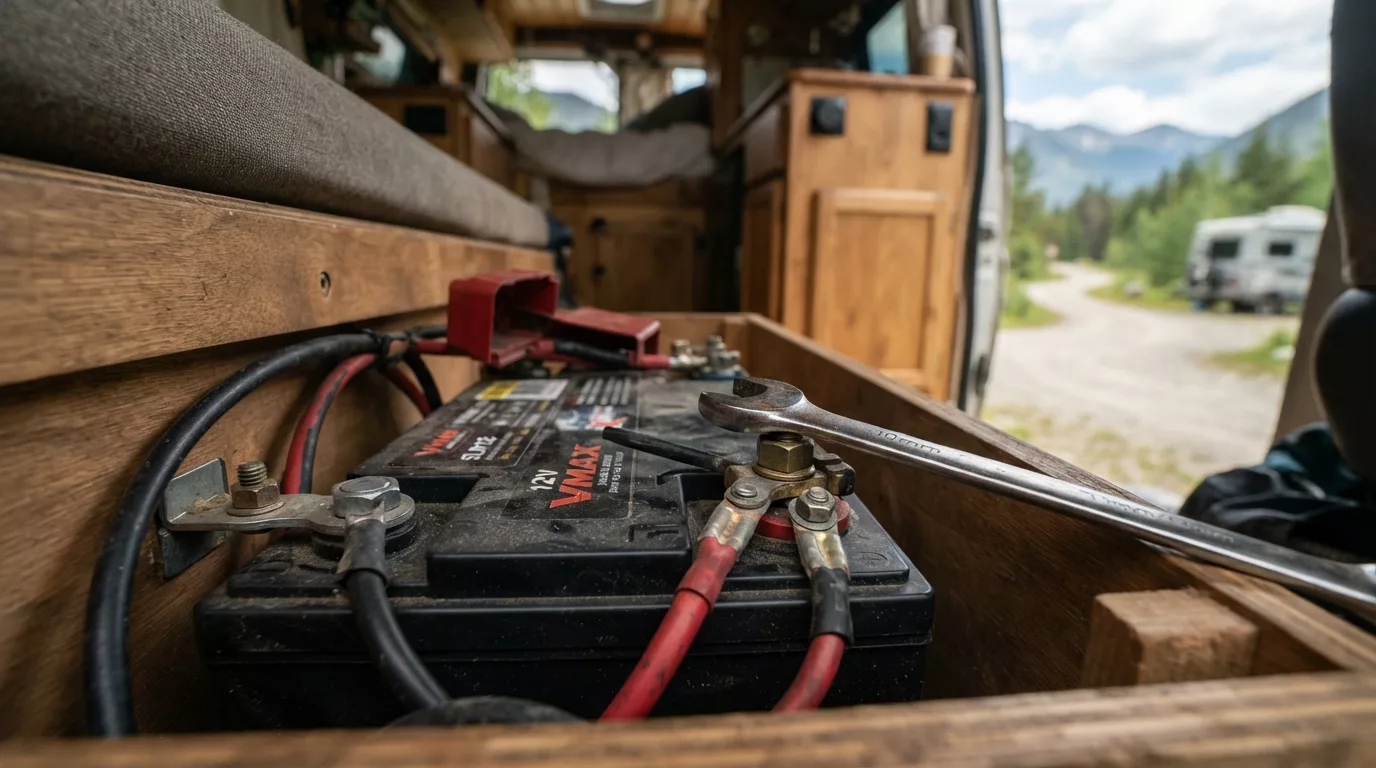
A camper van embodies freedom, adventure, and the ability to explore the world with your own home on wheels. Whether you're a couple seeking romance in the mountains, a group of friends ready for unforgettable experiences, or simply eager to enjoy the pleasure of life on the road, there's a crucial aspect that should never be overlooked: the electrical system and, in particular, the leisure battery. A malfunction in this area can quickly turn a dream into a logistical nightmare, leaving you stranded and disappointed.
Before loading the last provisions and heading to your next destination, it's essential to dedicate some time to preventive maintenance. Ignoring warning signs can lead to costly repairs and, worse still, abruptly cut your holiday short. In this article, we'll guide you through the most common symptoms indicating a potential problem with your camper's battery and electrical system, allowing you to act promptly and travel with greater peace of mind.
Warning Bells for the Leisure Battery
The leisure battery is the beating heart of your camper when you're disconnected from the mains. It powers lights, the refrigerator, water pumps, USB sockets, and all the other comforts that make life on board enjoyable. If this component isn't in perfect health, the entire travel experience will suffer.
Decreased Charging Capacity
One of the first and most obvious signs of a problem is a decrease in the battery's ability to hold a charge. If you notice the battery draining much faster than usual, even with moderate use of services, it's a clear warning sign. For example, if you used to be able to go a whole day without needing to recharge and now you're running on empty after just a few hours, something is wrong.
This can be due to various factors, including the battery's natural aging, damage to its internal components, or an issue with the charging system (vehicle alternator or solar panels).
Excessively Long or Absent Charging Times
Conversely, if the battery takes unusually long to recharge, or if it doesn't recharge at all when it should (e.g., while driving or under the sun), it's another worrying sign. A healthy battery should reach full charge within a reasonable timeframe. If the charger always indicates 'charging' without ever reaching 100%, or if the charge indicator never rises, it's time to investigate.
First, check the connections: loose or corroded cables can prevent proper current flow. If the connections are fine, the problem might lie with the battery itself or the charging system.
Swelling or Leaks from the Battery
Batteries, especially lead-acid ones, can show visual signs of distress. A swollen casing or the presence of leaking fluid are serious symptoms. Swelling usually indicates internal overheating or an abnormal chemical reaction, while leaks can indicate structural damage. In either case, the battery could be dangerous and needs to be replaced immediately. Never ignore these signs!
Sulfur or Rotten Egg Smell
A pungent sulfur smell, similar to rotten eggs, coming from the battery area is a very serious warning sign. This smell is caused by the release of hydrogen gas, a byproduct of overcharging or abnormal internal chemical reactions. Hydrogen is highly flammable, so this symptom requires immediate action to ensure safety. Turn off any ignition sources and ventilate the area well.
Abnormal Battery Indicators
Many camper vans are equipped with control panels that show the battery's charge status. If these indicators show unpredictable fluctuating values (e.g., they suddenly jump from full to empty, or vice versa), or if they remain fixed on an incorrect value despite charging or discharging conditions, there's likely a problem with the battery or the sensor that detects its status.
Electrical System Warning Signs
Besides the battery, the entire camper's electrical system also needs attention. Problems with cables, fuses, switches, or converters can cause inconvenience and, in extreme cases, more serious damage.
Dim or Flickering Lights
If you notice that the interior lights of the camper are dim even when the battery should be charged, or if they flicker intermittently, this can indicate a weak electrical connection, a problem with the battery itself, or a defect in the power distribution system. Try to check if the problem occurs with all lights or only specific ones.
Electronic Devices Not Working or Malfunctioning
When electronic devices, such as the refrigerator, TV, USB sockets, or even the heating system, start showing malfunctions (they turn off by themselves, don't turn on, work intermittently), it's a sign that the electrical supply is not stable or sufficient. This can be caused by a discharged battery, a problem with the voltage converter (if you use 220V devices), or faulty wiring.
Fuses Blowing Frequently
Fuses are safety devices designed to protect the electrical system from overloads. If you find yourself frequently replacing fuses, it's a clear sign that there's a problem. There might be a short circuit in a specific circuit, a device drawing too much current, or a more general issue within the electrical system. Don't just replace the fuse; find the root cause.
Overheating Cables or Components
During a visual inspection or by carefully touching (with the system off!) cables or junction boxes, if you feel excessive heat, this indicates a resistance or contact problem. An overheating cable is a serious fire hazard and requires immediate inspection by a professional.
Unusual Noises from the Electrical System
Sometimes, the electrical system can emit unusual noises, such as humming, crackling, or hissing, especially when certain devices are turned on or off. These sounds can indicate problems with relays, capacitors, or faulty electrical connections. Don't underestimate them; they could be precursors to more serious failures.
What to Do Before Departing: Practical Checks
Before embarking on a trip, even a short one, a series of quick but effective checks can prevent many inconveniences. Here's a list of actions to take:
- Check the battery's charge status: Use the camper's control panel or a multimeter to check the battery voltage. A fully charged battery should have a voltage of approximately 12.6-12.8V at rest.
- Inspect connections: Ensure the battery terminals are clean and tightly secured. Also, check the connections to the various electrical system components, making sure there are no signs of corrosion or looseness.
- Test main services: Turn on the lights, the refrigerator (if 12V powered), the water pump, and try charging a device via the USB sockets. Verify that everything works as it should.
- Check fuses: Look at the fuse box and ensure no fuses are blown. If you have doubts, you can remove them one by one and check them visually or with a multimeter.
- Listen for suspicious noises: Before leaving, spend a few minutes in silence inside the camper, turning various devices on and off to listen for any unusual noises from the electrical system.
- Verify the charging system: If you have solar panels, ensure the charge controller is working correctly and that the panels are receiving sunlight. If possible, start the camper's engine and check that the leisure battery is charging via the alternator.
When to Call an Expert
Most camper owners can perform basic checks and minor repairs. However, there are situations where it's crucial to rely on a professional. If you're unsure of what you're doing, if problems persist despite your attempts, or if you encounter any of the more serious warning signs (such as a sulfur smell, battery swelling, or overheating cables), it's best to contact a technician specializing in camper electrical systems. Prompt intervention can prevent further damage and ensure your safety.
Remember, preventive maintenance is key to fully enjoying life on the road. Dedicating a little time to these checks before each trip will allow you to depart with maximum peace of mind, knowing that your camper is ready to accompany you on every adventure.
mitcamper Tip
Sharing experiences and advice with other enthusiasts is one of the great advantages of being part of the camper community. If you have doubts or want to discuss issues related to your vehicle's electrical system or battery, explore the dedicated sections on mitcamper. You might find useful answers and connect with people who have faced and solved your same challenges, making every trip even more serene and enjoyable.